


5 myths about children's sleep that already need to be demolished
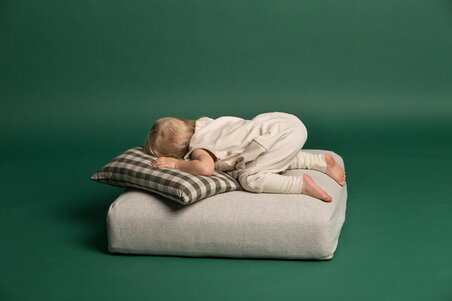
We've got such a wickedness here, and that is unrealistic expectations of our young children in terms of their sleep. Our little miracle worker is not even half a year old yet and we are already googling and paying sleep consultants, just so that the baby finally sleeps through the night and doesn't hang up on us when we put him to sleep. But where did these expectations come from and should we be making a big deal out of them? Let's take a look at the 5 most common myths that could really be dust.
1. The child needs to be taught to sleep independently
Neither to sleep nor to fall asleep. There is really no need for young children to manage this on their own yet. The sooner we accept this idea, the sooner we will lighten up and stop pushing so hard. On ourselves and on our child. We've learned that pressure always creates back pressure anyway, so the more we want the baby to sleep and fall asleep on their own, the more we can't. What can help us is the realization that humans are not solitary animals, and their young need the presence of a person they trust and feel safe with when they are being put to sleep and when they are sleeping. So instead of the need for independence, let's try to make it a goal to build a positive relationship with sleep and ultimately between you and your children. Let them be assured that you are always there for them, that they can lean on you, ask for help and rely on you.

2. Breastfed babies sleep worse
One of the most common pieces of advice we hear for desperate mothers whose baby wakes up two hundred times in the night is to stop breastfeeding. But do you know in how many cases this has actually helped too? In less than half. This is mostly because the baby would probably have been waking up at that age anyway, either because he was going through some sort of sleep regression (which would soon pass anyway), a growth spurt, processing new experiences or acquiring new skills (sitting, crawling, talking), or just growing a tooth. In such cases, the baby simply needs the support of a parent to be able to connect the next sleep cycle or simply to calm down, and breastfeeding is the best option to help with this. In addition, it is good to remember that it is not typical for breastfed babies to sleep continuously for two or three hours, they sleep in shorter stretches (as we would like) but therefore sufficient for them. Don't worry, it gets better with age ;)
3. A six-month-old baby already has to sleep through the night
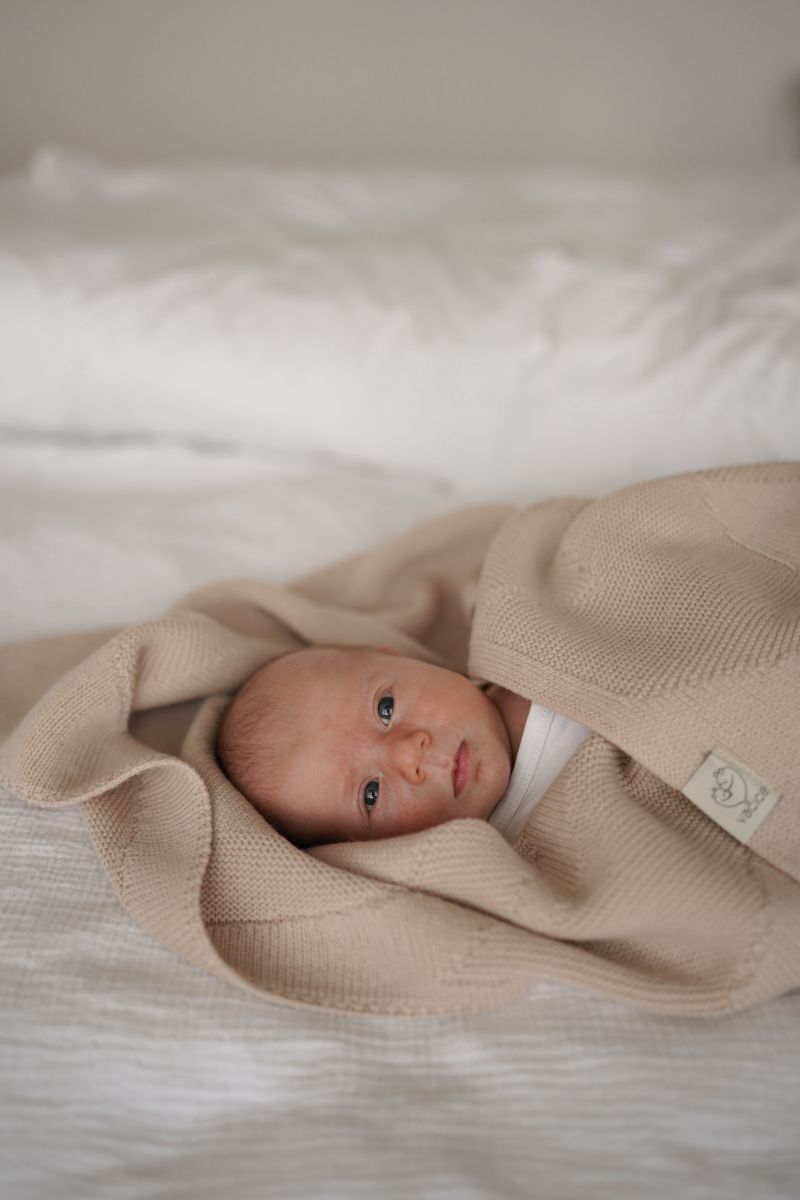
Did you once think so too as a first-timer? It's okay, we did too. This notion comes from long ago, when not so much was known about baby sleep, it remains with us still as a kind of phantom, and we can't and won't get rid of it. Baby sleep is not linear in the first place. It doesn't always go from bad to better with time. A child develops, goes through progressions and regressions, makes huge strides in development and especially in the first year of life. And also let's not forget that every child is completely different, every child has different needs, different rates of development, different sleep needs, different temperament. We advise you well, screw the charts and sleep coaches and observe your child. He will let you know what he needs.
4. You can't do it without sleep training
Would you believe us if we told you it's possible? Yes, yes we know, that sleep consultant over there on Instagram said that without sleep training you'll never sleep again and that her method isn't actually even sleep training, but just a gentle method to improve your baby's sleep and yours. If you're interested in our advice: beware of such sleep trainers, so that later you don't have to regret leaving your baby crying alone in a dark room. Sleep training is dangerous, unnatural and violent. It can do far more harm than good and inflict wounds on the soul, and not just to you. A baby can become fixated that parents are not there for him when he needs it, his trust and sense of security can be eroded, and sleep disorders can occur in later to adulthood.

5. Co-sleeping is not safe
So this information is also now proficiently out of date. It's perfectly normal as new mothers to worry about our little ones and be willing to do anything to protect them. But we will tell you that the fear around Sudden Infant Death Syndrome (SIDS) is a bit overblown these days, and plays a bit into the hands of breath monitor marketers. International health organisations now recognise that mother and baby sleeping together in the same bed is even a good prevention against SIDS and therefore recommend it rather than condemn it. A mother's instincts are set by nature not to snuggle her baby, to sleep facing her, to help her baby breathe with her breath, and last but not least, to wake up at any sign of her baby's discomfort (however.) So if you follow a few rules for safe co-sleeping, you have nothing to worry about, the only thing that may happen is that you will simplify your night care of your baby and you will both get a better night's sleep.
