


A short guide to the maintenance of a newborn - part one

There are so many conflicting opinions and information around newborn care that sometimes you really don't know anymore. If you are interested in how we care for our newborn marsupials, feel free to read our short guide.

So we got our hands on one newborn. What to do with him? Let's have a look at him from head to toe:
1. COLOUR
A healthy newborn has a pink skin colour, but a slightly yellowish colour is also normal, which doesn't necessarily mean jaundice at all. If jaundice has already appeared, you don't need to panic right away, it's quite common. Neonatal jaundice affects 50% of premature babies and 80% of premature babies. If a baby with jaundice is apricot-yellow in colour, this is fine, then make sure that the baby is breastfed abundantly and frequently so that the bilirubin is excreted from the body as soon as possible through the stool. With jaundice, skin-to-skin contact will also help very well. However, you should be careful if the baby takes on lemon-yellow hues and is excessively sleepy. Then the bilirubin values are already too high and it is necessary to visit the emergency room.
2. SKIN
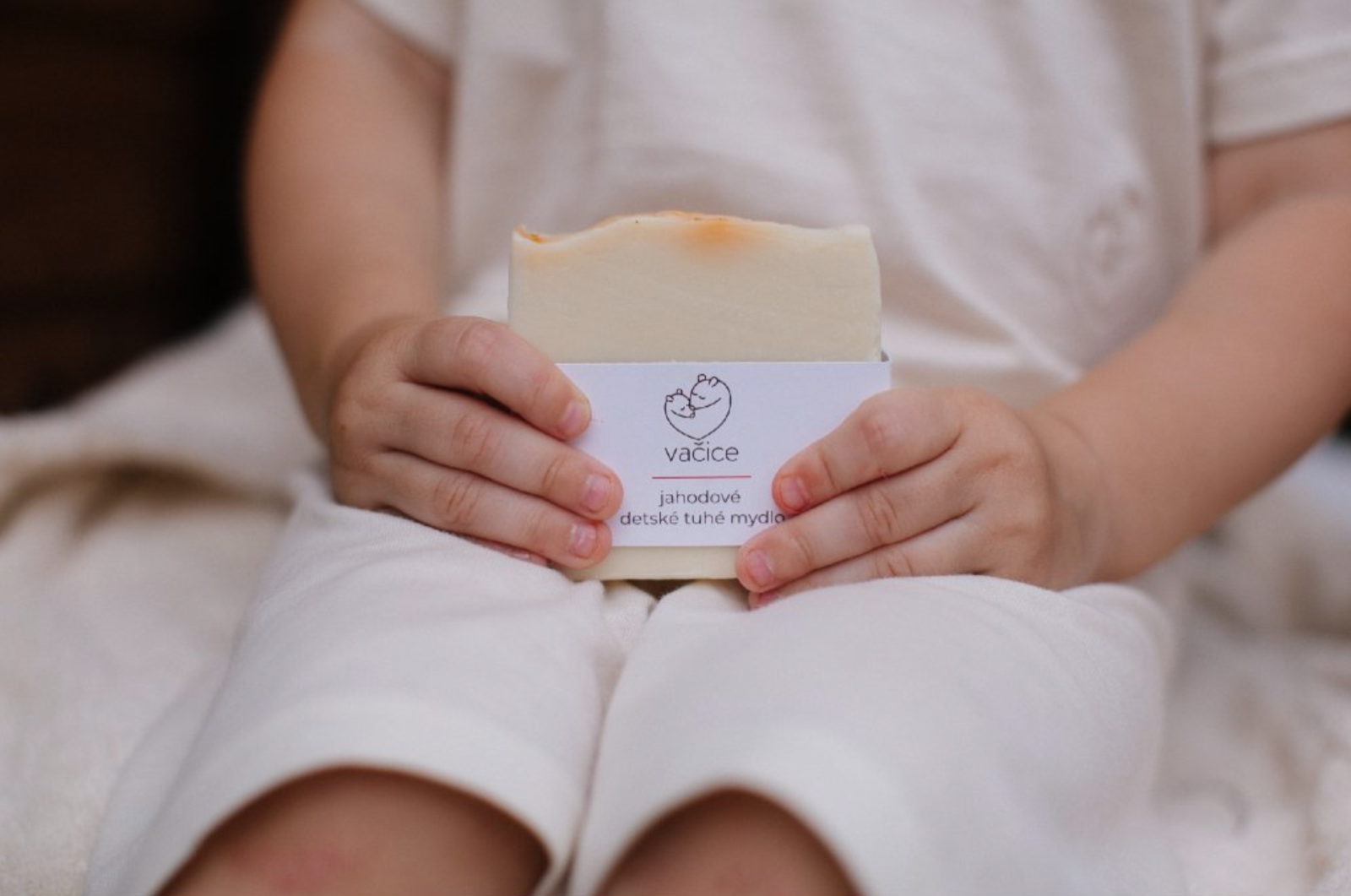
Skin, as we know, is the largest organ of the human body. The skin protects us from the external environment and at the same time lets what is needed into the internal one. (And sometimes even what we don't need, unfortunately.) The skin of newborns is particularly sensitive, delicate and permeable, so we should think carefully about what we put on it and in what quantity, and what we soap it with. If you ask us, we are in favour of the greatest simplicity and naturalness. Clean water and mild vegetable soap are quite sufficient for the care of a small baby. (A soft organic cotton bath towel can also come in handy ;)
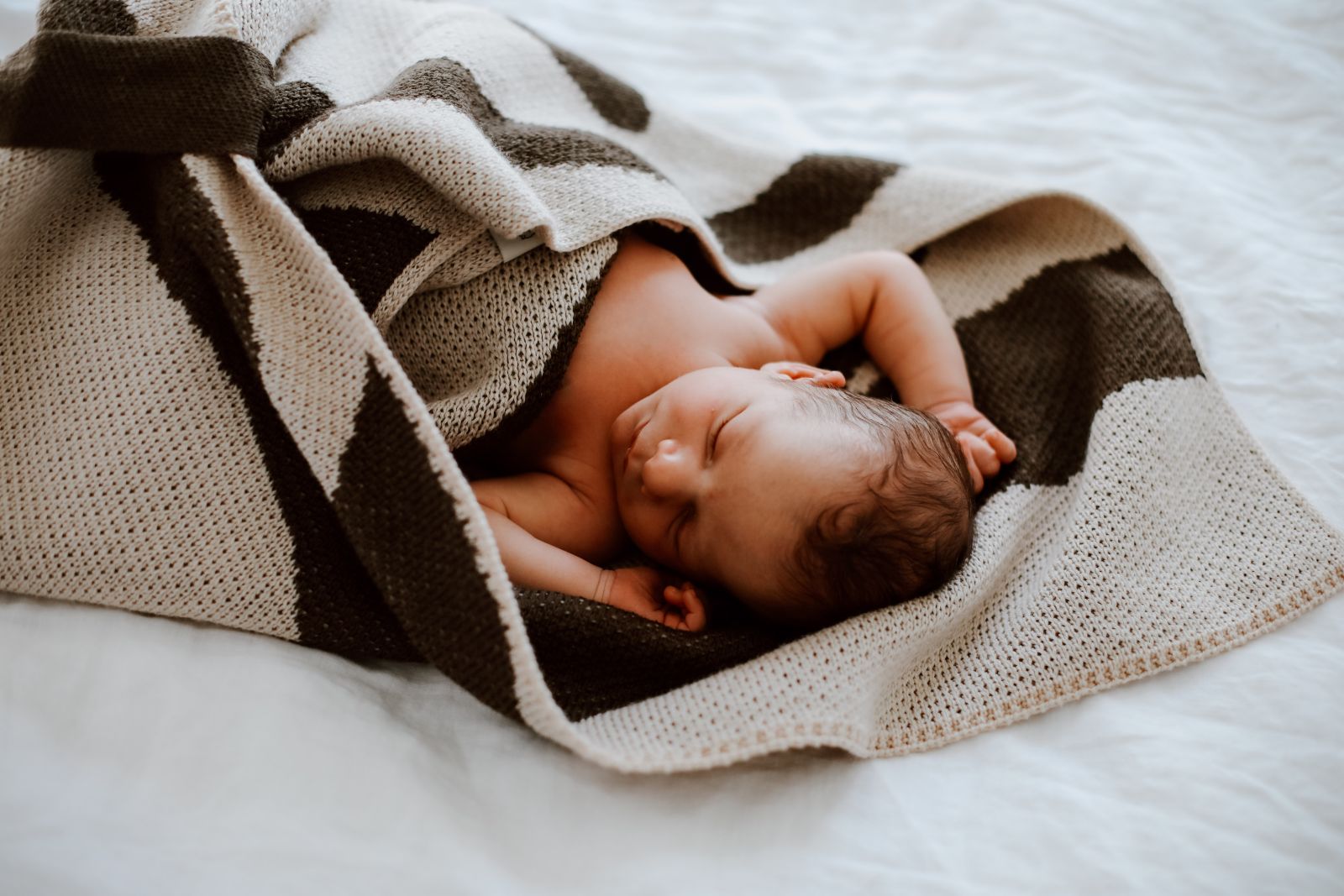
But let's take a look at what the skin of a fresh newborn looks like and what to make wrinkles and what not to make wrinkles out of.
You may have noticed that the baby you're holding in your arms has a little peeling skin. It's perfectly normal and there's no need to rub anything on it at all. (Save your money, time and your baby's skin.)
Those white rashes that appear on your newborn's face after a few days or weeks are not puberty yet, don't worry. But it's quite similar, because it's the baby's little body getting rid of the hormones that still came to it from the mother's body in this way. Just let them go, there's no need to paint them with anything either. If you would like to treat it with something, you can gently powder the face with good quality white clay.
The hormones that the baby still takes away from being in the tummy can also cause temporary enlargement of the mammary glands (also in boys) and also pseudo-menstruation in girls. Nothing to worry about, it is a temporary condition. (If it persists too long, you know what to do ;)
What about the skin under the hair? If you haven't heard of milky scabies (technically called seborrhoea), now is the time to read about it. In a nutshell, it's the scales that form under the hairline, behind the ears or on the eyebrows of our little ones, looking like slightly larger dandruff. But we recommend you do something about milky scabs, don't just leave them alone, because bacteria live underneath them which can cause inflammation (for example, of the hair shaft) and if you don't remove them, they won't go away on their own. That's why it's a good idea to get a harder, thicker comb or brush, coat the baby's head with some oil (like coconut or shea butter) before bathing, and once the bath has softened the scalp, brush out the flakes easily. After a few baths, the scab should be gone. We also recommend washing newborn hair only with plain water, no shampoos are necessary, in fact they are rather a detriment.
And let's not forget about diaper rash. One of many a mother's nightmares. These tend to appear classically in the diaper area, but you can also discover them on the neck, armpits, groin or knees. Here we can also only highly recommend white clay, which is perfect for drawing out moisture and drying. A good quality zinc ointment can also help. And lots and lots of fresh air.
3. PUPOK
Disinfect? Paint? Backfill? Who knows? We recommend avoiding alcohol and spirits, it might be too irritating. A better idea is to sprinkle the navel (just gently nudge) with white clay several times a day for the first few days. The belly button should be ventilated as much as possible, breathing and ideally not hidden under the nappy. Within ten days at the most, it should be able to peel off nicely on its own. If the skin around the belly button becomes red and smelly, it should be cleaned with a decoction of burdock and you can also drop a drop of good quality lavender essential oil in there. And finally, of course, sprinkle with white clay ;)
So that you don't get dizzy from so much information, we'll save the other body parts for the second installment. Stay tuned.
